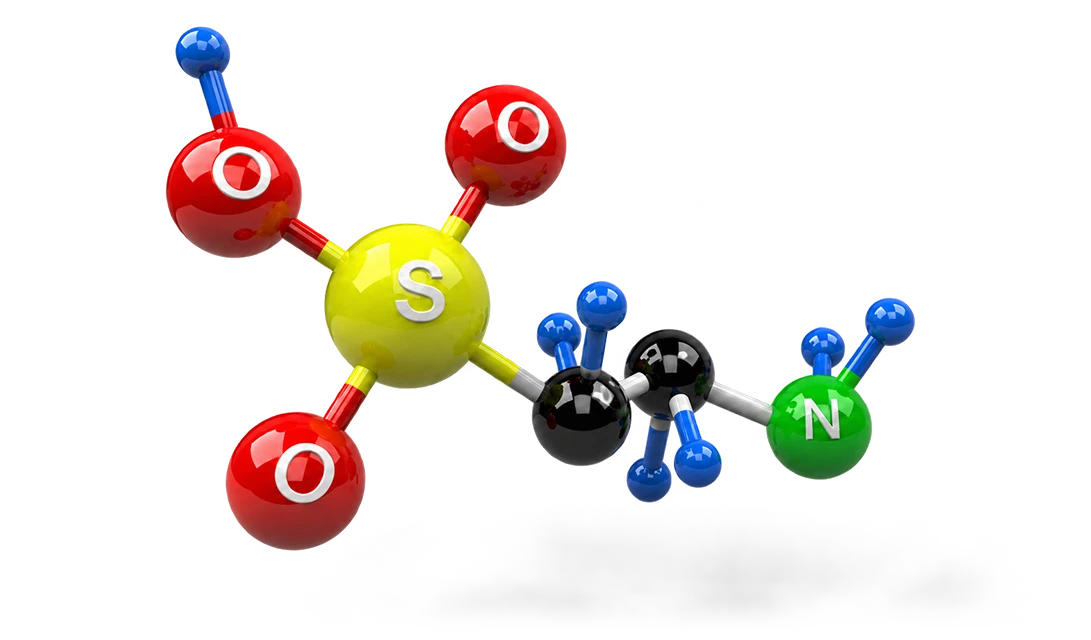
Acetyl-L-carnitine is a naturally occurring ammonium compound that plays a primary role in the finely regulated processes of energy metabolism. The human body partly produces it (in the liver and kidneys) and partly takes it in with food. It is found in the largest amounts in the muscles, the heart, the testes and the epididymides. Acetyl-L-carnitine is the acetylated form of L-carnitine (LC): chemically, a carnitine molecule modified with an acetyl group. This modification may make it more fat-soluble, thereby influencing its tissue distribution, membrane permeability and bioavailability. Its most important physiological role is to regulate the entry of long-chain fatty acids into the mitochondria, where they are converted via beta-oxidation into ATP, i.e. biological energy. This process can only proceed efficiently in the presence of carnitine: carnitine essentially acts as a “transport vehicle” (shuttle system) that carries fatty acids from the extracellular environment or the cytoplasm across the inner mitochondrial membrane.
According to data from andrology medical university textbooks1,2, the concentration of carnitine in the male reproductive tract is very high in the epididymides, which are the site of sperm maturation. Here, carnitine is an important component of the microenvironment: it contributes to the energy supply needed during the maturation process, to the maintenance of membrane fluidity and to the development of motility. This is why carnitine deficiency or reduced carnitine turnover can be associated with impaired sperm motility and disturbances of the maturation processes.
Carnitine and clinical studies – what does science say?
Taken together, clinical research investigating acetyl-L-carnitine (ALC) alone or in combination with L-carnitine shows that carnitine derivatives may favourably influence several sperm parameters relevant to male fertility, particularly in men with idiopathic oligo-, astheno- or teratozoospermia. According to a 2020 systematic review and meta-analysis, carnitine supplementation — whether LC, ALC or a combination of the two — may result in significant improvements in total and progressive motility, as well as in morphology.
This picture is reinforced by a 2019 randomised, double-blind, placebo-controlled trial, which found a significant reduction in the sperm DNA fragmentation index, as well as improvements in progressive motility and vitality, in patients with oligoasthenoteratozoospermia after 3 months of LC+ALC treatment. This suggests that carnitine may act not only through energy production, but may also exert a favourable, functionally relevant effect on the genetic and membrane integrity of sperm. The 2022 network meta-analysis, based on pooled data from 23 randomised clinical trials, confirmed that carnitine-containing antioxidant supplements are among the most effective interventions in terms of motility and morphology, and that combined LC+ALC therapy also showed favourable results in active comparisons. A 2023 review summarises our current knowledge: the use of carnitine derivatives may favourably influence several sperm parameters, markers of oxidative stress and certain hormonal indicators, but the level of evidence does not yet reach the strength required to recommend it as a routine standard therapy for all infertile men. Overall, research therefore suggests that carnitine — especially the LC+ALC combination — is a biologically plausible and clinically promising option for supporting male fertility, but further large, well-designed studies are needed with regard to final clinical outcomes (such as live birth).
In summary: based on the overall picture of extensive clinical studies, acetyl-L-carnitine — often in combination with L-carnitine — shows favourable laboratory changes in several sperm parameters, particularly in motility, progressive motility, vitality and, in part, morphology. According to some studies, the degree of DNA fragmentation may also decrease, which is a favourable sign for the structural integrity of sperm.
- Andrology: Male Reproductive Health and Dysfunction.
Nieschlag, E., Behre, H.M., Nieschlag, S. (Eds.) Andrology: Male Reproductive Health and Dysfunction, Springer, 3rd ed., 2010.
- Knobil & Neill’s Physiology of Reproduction, Plant, T.M., Zeleznik, A.J. (Eds.). Knobil and Neill’s Physiology of Reproduction, 4th ed., Academic Press, 2015.